
The Hidden Dangers of Fake Squishies: What Collectors Need to Know
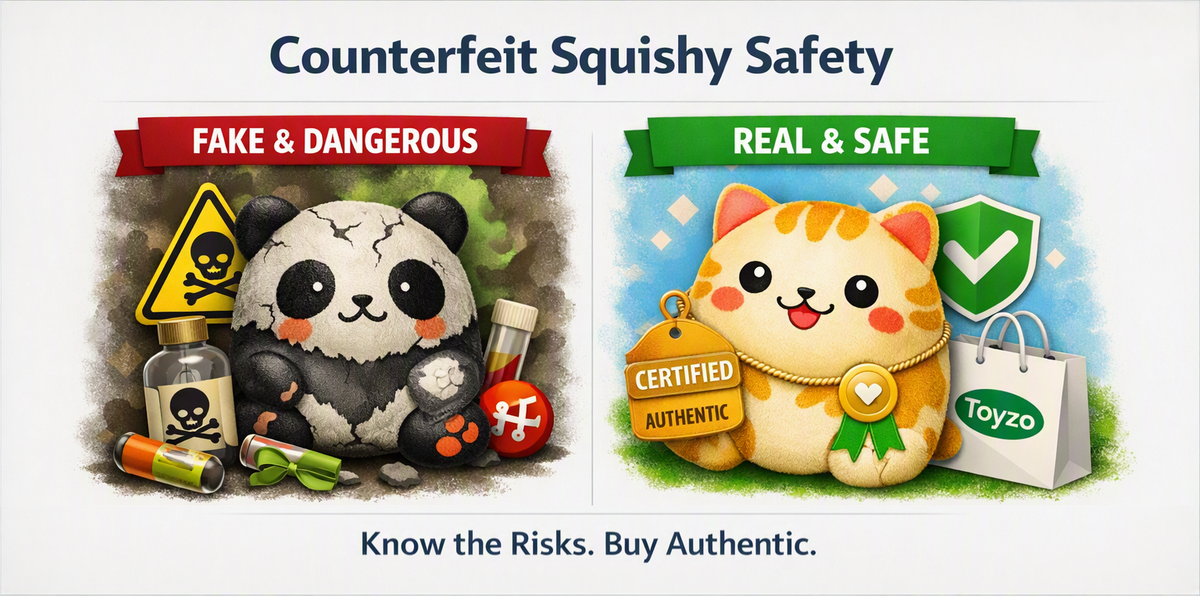
Squishy collectibles have taken the world by storm, with millions of fans collecting everything from tiny keychain plushes to life-sized huggable companions. Whether you're a seasoned collector or just starting your squishy journey, there's something undeniably satisfying about adding a new soft friend to your collection. But as the popularity of squishies continues to grow, so does a troubling problem: counterfeit products flooding the market. What many buyers don't realise is that purchasing fake squishies isn't just about getting a poor-quality product—it can pose genuine health and safety risks.
The squishy market has exploded over recent years, and with that explosive growth comes a darker side. Counterfeit squishies are everywhere, from dodgy online marketplaces to unauthorised resellers. The problem is so widespread that many collectors have unknowingly purchased fakes, thinking they were getting the real deal. This isn't a harmless situation where you simply get slightly lower quality—counterfeits can contain harmful materials, unsafe stitching, and poor construction that poses risks to both children and adults.
The Health and Safety Risks of Counterfeit Squishies
When you buy a counterfeit squishy, you're not just compromising on quality; you're potentially exposing yourself or a loved one to health hazards. Authentic squishies are manufactured under strict quality control standards and use materials that meet safety regulations. Counterfeits, on the other hand, are often produced in unregulated factories with no oversight.
One of the most serious concerns is the materials used in fake squishies. Legitimate manufacturers use non-toxic, hypoallergenic polyester or similar approved fabrics. Counterfeits frequently contain lower-grade materials that may include harmful chemicals, heavy metals, or substances banned in legitimate manufacturing. These materials can trigger allergic reactions, skin irritation, or worse, particularly for children who are more vulnerable to chemical exposure.
Beyond material composition, counterfeit squishies often have poor construction quality. Stitching may be loose or weak, leading to seams that split easily. This creates a choking hazard, especially for younger children. Stuffing materials might be improperly secured, and zippers or button attachments can come loose. What looks like a cute plush toy could actually be a hazard waiting to happen.
Additionally, fake squishies sometimes carry contamination risks. Without proper manufacturing standards and hygiene protocols, counterfeits may harbour bacteria, dust mites, or mould. This is particularly problematic if you're planning to give the squishy to a child or someone with respiratory sensitivities or compromised immune systems.
How to Spot a Counterfeit Squishy
Learning to identify fake squishies is your first line of defence. Here are the key warning signs to watch out for:
- Price too good to be true: If you're seeing a squishy at a fraction of the typical retail price, it's almost certainly counterfeit. Authentic products maintain consistent pricing across authorised retailers.
- Poor quality stitching: Examine the seams closely. Real squishies have tight, even stitching. Counterfeits often show loose threads, uneven lines, or sloppy workmanship.
- Incorrect tags or labels: Authentic squishies come with properly printed, well-attached tags. Counterfeits may have misspelled text, faded printing, or tags that fall off easily.
- Odd textures or smells: Real squishies have a consistent, soft texture and a neutral or slightly pleasant scent. Fakes may feel different—too slick, too rough, or oddly sticky—and often smell like chemicals.
- Weight inconsistencies: If a squishy feels unusually light or heavy compared to others in the line, it might be fake.
- Colour variations: Counterfeits often have slightly different colours or dull finishes compared to authentic products, which have vibrant, consistent colouring.
- Seller reputation: Purchase from unknown or unverified sellers, and you're taking a massive risk. Always check seller reviews and ratings.
Where the Problem Stems From
The flood of counterfeit squishies comes from a mix of sources. Some are produced by manufacturers attempting to capitalise on the trend without proper licensing or authorisation. Others come from third-party sellers who source products from questionable origins and resell them as authentic. Online marketplaces with minimal seller verification make it particularly easy for counterfeiters to operate, and international shipping can make it harder for consumers to identify where products actually came from.
The challenge is that many buyers don't know they're purchasing counterfeits. A professional-looking online store or a seller with positive reviews doesn't necessarily mean the products are authentic. Counterfeiters have become increasingly sophisticated, using convincing websites and marketing tactics to deceive buyers into thinking they're purchasing from legitimate sources.
Why Authorised Retailers Matter
This is where the importance of buying from authorised, reputable retailers comes into play. Stores like Toyzo were established with a clear mission: to give collectors peace of mind. When you purchase from an authorised retailer, you're not just buying a product—you're getting a guarantee of authenticity, quality, and safety.
Authorised retailers work directly with manufacturers, ensuring that every product sold meets the original quality standards. They carry proper certification, maintain inventory traceability, and stand behind their products. If there's ever an issue, you have recourse. You can return unsafe or defective items, and you have customer service that actually cares about your experience.
Toyzo, for example, was founded on the principle that squishy enthusiasts deserve a trustworthy place to shop. Rather than navigating the minefield of unknown sellers and counterfeit risks, collectors can browse a curated selection knowing that every item is authentic. This peace of mind is invaluable, particularly for parents buying squishies for children.
Building Trust in the Squishy Community
The squishy community thrives on passion and enthusiasm, but it can only truly flourish when collectors feel safe. When people worry about authenticity and safety, it diminishes the joy of collecting. That's why authorised retailers are so important to the ecosystem. They're not just selling products; they're protecting the community and the hobby itself.
Reputable retailers invest in relationships with manufacturers, maintain high standards for product handling and storage, and educate their customers about authenticity. They create spaces where collectors can shop with confidence, knowing that their money goes toward legitimate products and that they're supporting the creators and designers behind their favourite squishies.
Making Smart Purchasing Decisions
If you're a squishy collector or thinking about becoming one, here's what you should do:
- Shop from authorised retailers and official brand websites whenever possible.
- Check for proper documentation, authentication tags, and certificates of authenticity.
- Read reviews from other collectors who have purchased the same item.
- Be wary of unusually low prices or sellers with limited history.
- If buying secondhand, inspect items carefully and verify authenticity before purchasing.
- Support retailers that prioritise transparency and customer safety.
- Report suspected counterfeits to the brand and relevant authorities.
Your squishy collection should bring joy, not worry. By making informed purchasing decisions and choosing trusted retailers, you can build a collection of authentic, safe products that you'll love for years to come. The squishy hobby is wonderful—just make sure you're protecting yourself and your loved ones by being cautious about where you buy.
Join the Conversation 💬
0 commentsLeave a Comment